What Is a Wisdom Tooth? Symptoms, Problems, and Extraction Process
What is a wisdom tooth is one of the most frequently asked questions in oral and maxillofacial health. Also known as third molars, wisdom teeth are the last and most posterior molars to erupt in the mouth. There are a total of four wisdom teeth—one in each quadrant of the upper and lower jaws. These teeth typically attempt to erupt between the ages of 17 and 25; however, due to the reduced jaw size in modern humans, they often cause various problems.
Why Do Wisdom Teeth Cause So Many Problems?
Compared to thousands of years ago, human dietary habits have changed significantly, and the shift toward processed foods has contributed to a reduction in jaw size. However, the number of teeth has remained the same, leaving insufficient space for wisdom teeth. As a result, these teeth may fail to erupt completely (fully impacted) or erupt partially (partially impacted), both of which can lead to serious oral health issues.
Fully Impacted Wisdom Tooth
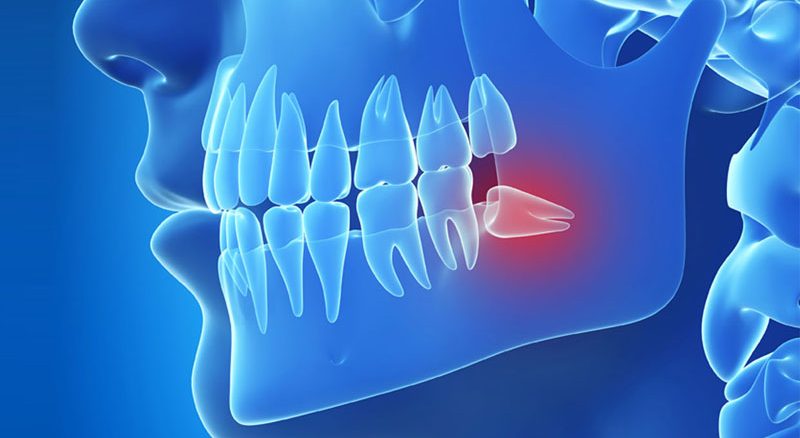
A fully impacted wisdom tooth remains completely trapped beneath the gum and does not make contact with the oral cavity. While it may not initially cause significant pain, it can exert pressure on adjacent teeth over time, leading to shifting and crowding. Fully impacted teeth identified via panoramic X-ray should be closely monitored.
Partially Impacted Wisdom Tooth
A partially impacted wisdom tooth is the most common cause of complaints. In this condition, a gum flap called an operculum forms over the partially erupted tooth. This area creates an ideal environment for food debris and bacteria accumulation. Since it is almost impossible to clean properly, it often leads to infection, abscess formation, and a recurring condition known as pericoronitis.
What Are the Symptoms of Wisdom Tooth Pain?
Wisdom tooth pain varies from person to person, but common symptoms include:
- Throbbing pain radiating to the jaw and ear area
- Difficulty opening the mouth or swallowing
- Redness, swelling, and tenderness around the gums
- Bad breath and unpleasant taste in the mouth
- Swelling in the cheek or neck area
- Occasionally fever and general fatigue
If one or more of these symptoms are present, a dental consultation is necessary. Untreated wisdom tooth infections may spread to the face, neck, and throat, and in advanced cases may even negatively affect the heart and kidneys.
Do Wisdom Teeth Always Need to Be Removed?
Not all wisdom teeth need to be extracted. The dentist evaluates the position of the tooth, root structure, and its effect on adjacent teeth using clinical examination and panoramic X-rays. A properly erupted wisdom tooth that can be cleaned and causes no issues may simply be monitored. However, extraction is usually necessary in the following cases:
- Recurrent infections due to partial or full impaction
- Causing decay or root damage in adjacent teeth
- Contributing to cyst or tumor formation
- Interfering with orthodontic treatment or causing tooth crowding
- Severely decayed and not suitable for restorative treatment
How Is Wisdom Tooth Extraction Performed?
Wisdom tooth extraction is performed using either a simple or surgical approach depending on the position of the tooth. A fully erupted wisdom tooth can be removed like any other tooth under local anesthesia. For partially or fully impacted teeth, a surgical extraction is required. In this procedure, the dentist gently opens the gum tissue and, if necessary, removes bone to access the tooth. The tooth may be sectioned into smaller pieces for easier removal, and sutures are placed afterward. The entire procedure is painless under local anesthesia.
Post-Extraction Care
Recovery after wisdom tooth extraction is generally quick when proper care instructions are followed. Patients can return to normal life within a few days if post-operative guidelines are observed.
- The gauze placed over the extraction site should be bitten for at least 2 hours and not replaced or disturbed.
- Solid, very hot, and very cold foods should be avoided for the first 24 hours.
- If surgical extraction was performed, cold compresses should be applied at 10-minute intervals to reduce swelling and bruising.
- Smoking should be avoided for at least 48–72 hours as nicotine delays healing.
- Mouth rinsing should not be performed on the first day; antiseptic mouthwash should only be used after 24 hours if recommended by the dentist.
- Prescribed medications such as painkillers and antibiotics should be taken regularly and completely.
Wisdom Tooth Treatment at Dental Plus Istanbul
Dental Plus Istanbul, located on İncirli Street in Bakırköy, has been providing comprehensive oral and maxillofacial surgery services since 2012 with a team of 12 specialist dentists and 15 experienced staff members. With a 6-floor facility, 12 clinical units, and advanced digital imaging systems, all procedures from simple wisdom tooth extractions to advanced surgical cases are performed under one roof. If you are experiencing wisdom tooth pain or would like a professional evaluation, you can contact Dental Plus Istanbul to schedule an appointment.