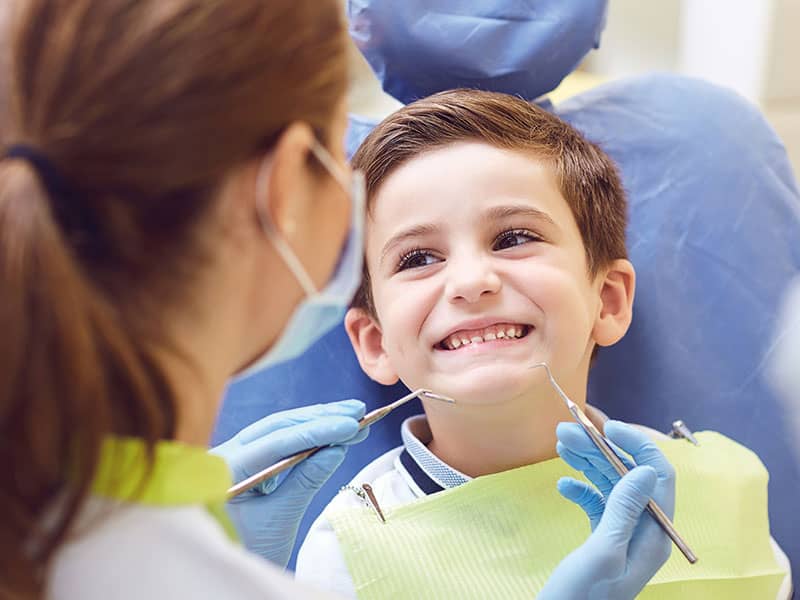
Pedodontics, or pediatric dentistry, is a branch of dentistry that focuses on monitoring and maintaining dental health in children from birth through adolescence. Teaching children proper habits and preventive care plays a crucial role in avoiding more invasive treatments and troublesome conditions. Pedodontics is dedicated precisely to this purpose.
What Is the Purpose of Pedodontics?
In pediatric dentistry, the way a child is welcomed and communicated with is extremely important to build trust and ensure cooperation during treatment. If a child has a positive first dental experience, they are more likely to maintain good oral health throughout life. Pedodontics aims to help children feel comfortable, prevent dental fear, and teach them proper oral hygiene habits. The earlier children become familiar with their teeth, the more likely they are to maintain healthy teeth for life.For children who have already developed dental anxiety, treatment under anesthesia can be the most comfortable option. Parents should prioritize the clinic’s reliability, experienced specialists, and professional staff rather than focusing solely on pricing when considering sedation dentistry.Pedodontics also plays a role in preventing and treating dental diseases in children. While these conditions are similar to those in adults, early and prompt intervention is essential in children. The two most common conditions are dental caries (tooth decay), which progresses faster in children, and gum abscesses related to primary teeth development. Early monitoring and treatment are crucial to prevent complications and relieve pain. In all cases, the pediatric dentist provides gentle care and helps the child better understand oral health. In addition to treating damaged or decayed teeth, pedodontists also assess potential orthodontic needs and offer solutions for issues such as dental trauma, influencing the future appearance of the child’s teeth.Why Are Primary (Baby) Teeth Important?
The health of primary teeth is extremely important. Untreated decay in baby teeth can negatively affect the development of permanent teeth. Beyond their role in chewing, primary teeth serve to maintain proper space for permanent teeth and guide them into the correct position. This process supports proper development of the jawbones and muscles. Speech development can also be influenced by dental growth. Through pedodontics, these stages are monitored to ensure proper functional development. The transition from primary to permanent teeth typically begins between ages 6 and 7 and is completed around ages 10 to 13, excluding wisdom teeth.When Should Children Receive Dental Treatment?
Malocclusions can begin to develop as early as age 2. Identifying such issues early can help prevent more serious problems in adulthood. Pediatric dentistry generally involves three stages of treatment:
Early treatment: Targeted treatments at this stage help avoid more complex interventions later in life.
Mixed dentition stage: Occurring between ages 6 and 12, when primary and permanent teeth coexist. At this stage, issues like jaw misalignment and tooth positioning can be corrected more easily.
Adolescent stage: This phase marks the transition from childhood to adolescence and is critical for the development of permanent teeth.What Are the Responsibilities of Pedodontics?
The main responsibilities of pedodontics include:
Teaching oral hygiene: This is the most important habit to develop. Dentists guide children on proper brushing techniques to prevent dental pain and disease.
Preventing tooth decay: During high-risk periods, preventive treatments are applied. Dentists may use protective sealants on the chewing surfaces of permanent molars. This painless procedure fills grooves and prevents bacteria accumulation without damaging the tooth.
Regular check-ups: Since tooth decay progresses rapidly in children, dental visits every 6 months are strongly recommended. A common misconception among parents is that baby teeth do not require treatment because they will fall out; however, treating decay in young children is just as important as in adults.Measures to Relieve Toothache in Children
Good oral hygiene is always the foundation of dental care. Combined with proper nutrition, regular dental check-ups are essential to prevent tooth pain. If pain occurs due to inflammation, rinsing with salt water can help soothe it. Keeping the child’s head elevated (using pillows) may reduce blood flow to the affected area and alleviate discomfort. These are natural methods that may help relieve symptoms, but it is crucial to address the underlying cause. Therefore, consulting a dentist as soon as possible is highly recommended.Tips
Brushing teeth at least twice a day and limiting sugary foods are excellent starting points for preventing dental problems. Children should visit the dentist at least twice a year starting from age one. Dentists may recommend preventive sealants to protect against tooth decay. This involves applying a special resin to the grooves of the teeth, preventing harmful substances from reaching vulnerable areas. Sealants also help prevent bacterial growth and enamel wear. Fluoride can further strengthen protection against decay; however, it must be used carefully and according to the dentist’s instructions.