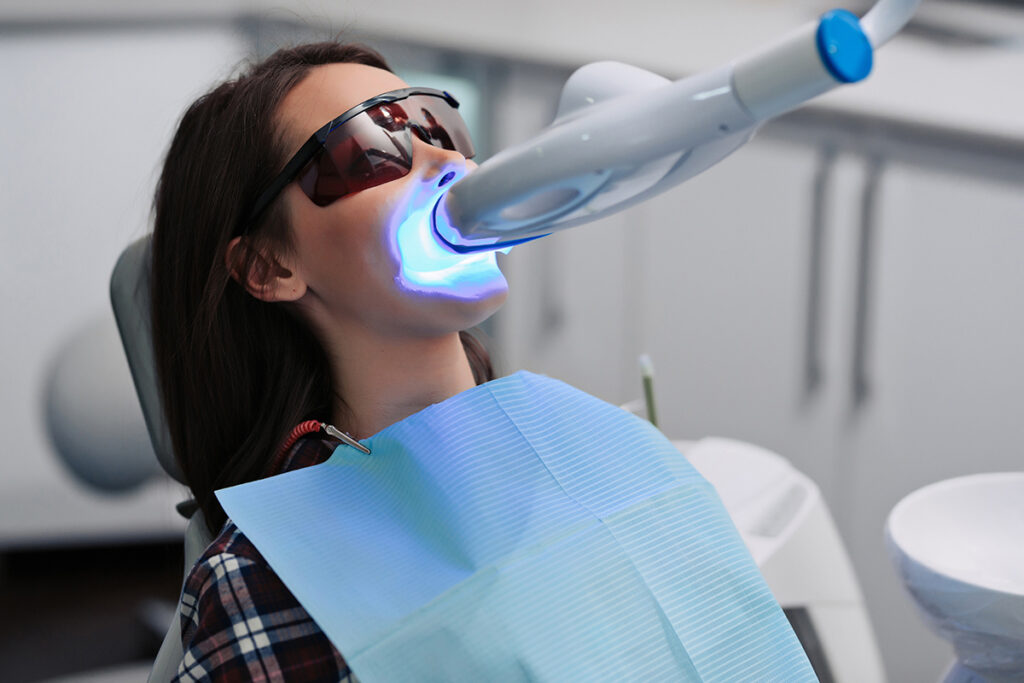
Teeth whitening is a highly popular treatment aimed at removing stains and discoloration from the teeth and restoring the natural brightness of the enamel. However, it should be noted that this method is not a permanent solution; to maintain the results, it needs to be repeated periodically. It is also important to remember that teeth whitening is different from dental cleaning, as they are separate treatments. While whitening aims to make teeth appear brighter, dental cleaning focuses on removing plaque and tartar accumulated on the teeth.
Why Do Teeth Become Stained?
Tooth discoloration is mainly related to personal habits and lifestyle. Over time, teeth absorb color pigments from various sources such as:
- Foods
- Certain beverages like coffee
- Staining mouthwashes
- Medications
- Smoking
These pigments settle into the hard tissues of the teeth (enamel and dentin), gradually altering their natural color and causing them to appear yellowed or darkened.
When Is Teeth Whitening Necessary?
The natural brightness of teeth, along with proper alignment and healthy gums, is one of the key factors contributing to an aesthetic smile. Bright, white teeth are also often associated with good overall health. When teeth lose their brightness and become discolored due to various environmental factors, professional teeth whitening can be an effective solution.
How Is Teeth Whitening Performed?
Teeth whitening is an aesthetic treatment that uses special tools and products to significantly reduce discoloration and achieve a whiter, more uniform tooth color. Hydrogen peroxide (H2O2) plays a key role in this process. The main teeth whitening methods include:
Professional Teeth Whitening
Professional teeth whitening is performed by a dentist in a clinic or specialized center. One of the most commonly used techniques involves hydrogen peroxide or carbamide peroxide-based agents activated by light (photoactivation). A whitening gel is directly applied to the teeth after protecting the gums with a special barrier. The procedure can take up to one hour. LED lights or laser equipment may be used to accelerate the process. Compared to at-home methods, professional whitening is significantly more effective.
At-Home Teeth Whitening
In at-home whitening, a low-dose carbamide peroxide gel is applied inside custom-made silicone trays. These trays are worn on the teeth for about two hours a day. The treatment typically lasts around one week and provides satisfactory, long-lasting results.
Is Teeth Whitening Painful?
Professional teeth whitening is a painless procedure that does not affect the quality of the enamel. It does not cause permanent damage to the teeth or oral tissues, nor does it lead to loss of tooth structure. In some cases, patients may experience temporary tooth sensitivity immediately after the procedure, which usually resolves within 72 hours.
Is Teeth Whitening Always Effective?
The effectiveness of whitening generally depends on at least three factors, which are evaluated by the dentist beforehand:
- The patient’s age
- The type and nature of the stains
- The original tooth color
In most cases, teeth whitening is highly effective. However, exceptions include non-vital (dead) teeth and stains caused by certain medications (such as tetracycline antibiotics). In such cases, aesthetic restorations or prosthetic solutions may be used to correct severely discolored teeth.
Is Teeth Whitening Permanent?
The longevity of whitening results largely depends on the patient’s personal habits. Smokers and frequent consumers of staining beverages are more likely to experience quicker discoloration. Teeth whitening does not provide permanent results; however, with proper care, the achieved shade can last approximately one year. The best way to maintain results is to follow a maintenance program recommended by your dentist.
How Can the Whitening Effect Be Prolonged?
To extend the effects of teeth whitening, it is recommended to follow these guidelines after treatment:
- Maintain proper oral hygiene.
- Avoid smoking, and limit consumption of tea, coffee, and alcohol. Using a straw for colored beverages can help minimize direct contact with teeth.
- Avoid foods rich in pigments or acids such as beetroot, tomatoes, cherries, strawberries, cabbage, blueberries, raspberries, and vinegar.
- Have professional dental cleaning at least twice a year.