What Is Teeth Grinding (Bruxism)? Symptoms, Causes and Definitive Treatment Methods
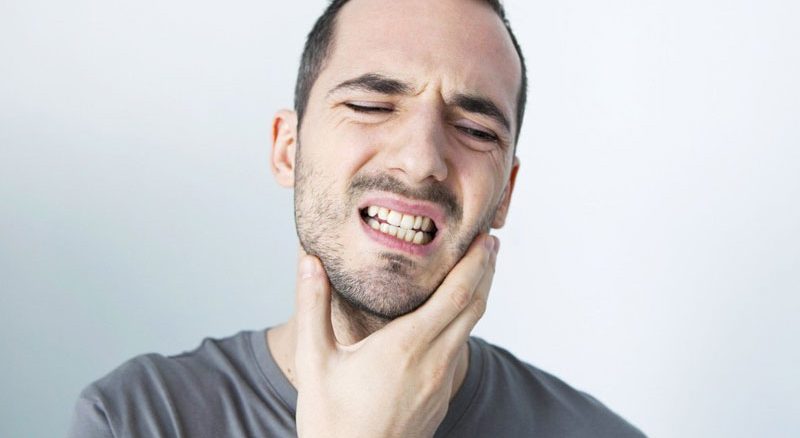
Do you wake up in the morning with unexplained fatigue and pain in your face, jaw, or temples? Do you notice that you unconsciously clench your jaw or press your teeth together excessively during the day? If your answer is “yes,” you may be experiencing a common condition known in dentistry as Bruxism, or in everyday language, teeth grinding or clenching.
Teeth grinding has become one of the most common modern disorders. Although it is often stress-related, if left untreated it can lead to serious health problems such as tooth fractures, temporomandibular joint (TMJ) disorders, and chronic migraine headaches. In this detailed guide prepared by Dental Plus Clinic, we will examine the symptoms, hidden causes, and modern treatment methods (night guards, masseter botox, etc.) that can help you overcome this condition.
What Is Teeth Grinding (Bruxism)?
Teeth grinding is the involuntary clenching or grinding of the upper and lower teeth with excessive force, outside of normal functions such as chewing or swallowing.
This condition is generally classified into two types:
- Sleep Bruxism: Occurs unconsciously during sleep. It is often accompanied by loud grinding noises and is usually noticed by a sleeping partner. It is the more dangerous type because jaw muscles can exert significantly higher force during sleep (up to 100–150 kg pressure).
- Awake Bruxism: Involuntary clenching of the jaw during the day, especially during stress, concentration, or anger.
What Causes Teeth Grinding?
There is no single cause of bruxism; it usually results from a combination of psychological, genetic, and physical factors.
1. Stress, Anxiety, and Psychological Pressure
Stress is the leading cause of teeth grinding. Work pressure, financial concerns, family problems, or suppressed emotions often lead to jaw muscle tension, especially during sleep.
2. Dental Misalignment (Malocclusion)
Improper alignment of the upper and lower teeth, missing teeth, or poorly made restorations can prevent proper jaw positioning, leading to muscle overactivity and grinding.
3. Sleep Apnea and Sleep Disorders
In conditions such as sleep apnea, the brain sends signals to the jaw muscles to keep the airway open, which can indirectly trigger severe teeth grinding.
4. Lifestyle and Consumption Habits
Excessive caffeine intake, alcohol consumption before sleep, smoking, and certain antidepressant medications can increase bruxism by stimulating the nervous system.
Symptoms of Teeth Grinding
Most patients are unaware they grind their teeth during sleep. Common signs include:
- Morning pain: Jaw, temple, neck, and shoulder muscle soreness upon waking
- Headaches: Migraine-like pain starting from the temples
- Tooth wear: Flattened tooth surfaces, cracks, and sensitivity
- TMJ problems: Clicking, locking, or difficulty opening the jaw
- Facial changes: Enlargement of jaw muscles (masseter hypertrophy) leading to a wider, square face shape
What Are the Damages of Bruxism?
If ignored, bruxism can lead to severe damage such as tooth fractures, gum recession, bone loss, and chronic TMJ pain. It may also affect the temporomandibular joint and cause long-term pain conditions.
How Is Teeth Grinding Treated? (Dental Plus Solutions)
The main goal of treatment is to prevent permanent damage, reduce joint pain, and relax the jaw muscles. Depending on severity, one or more of the following treatments may be used:
1. Custom Night Guard (Occlusal Splint)
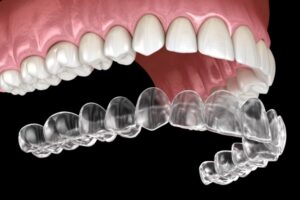
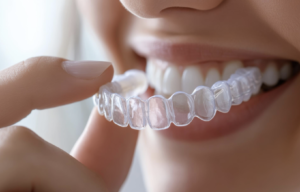
A custom-made transparent night guard is the gold standard treatment. It prevents teeth from grinding against each other, protecting them from wear and reducing joint stress.
2. Masseter Botox Treatment
One of the most effective modern treatments for severe bruxism is masseter botox.
- How it works: Botulinum toxin is injected into the masseter muscle, reducing excessive contraction.
- Effect: Prevents excessive force, reduces pain, and creates a more relaxed jawline appearance (V-line effect). Effects last 4–6 months.
3. Dental Restorations
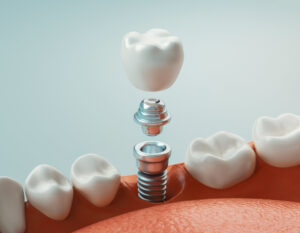
If the cause is missing teeth or improper restorations, implants, crowns, or orthodontic treatment may be required to correct bite alignment.
Wake Up Pain-Free with Dental Plus
Bruxism is a serious condition that affects not only your teeth but also your quality of life. You do not have to wake up with headaches or live with the risk of losing your natural teeth.
Dental Plus provides long-term, personalized solutions with expert doctors and advanced diagnostic technologies.
For more information about oral surgery, visit our Oral and Maxillofacial Surgery page.
Gum Disease Causes Article