What Are the Causes of Gum Disease? Symptoms and Treatment Methods
Causes of gum disease include smoking, poor oral hygiene, and genetic predisposition as the leading factors. Gum disease refers to a group of inflammatory conditions affecting the gums and other supporting structures of the teeth. More than 70% of tooth loss in adults is attributed to periodontal diseases. Cases detected and treated at an early stage can be easily managed, while delayed treatment may lead to irreversible bone and tissue loss. Therefore, understanding the causes, symptoms, and treatment options is essential.
What Is Gum Disease? Difference Between Gingivitis and Periodontitis
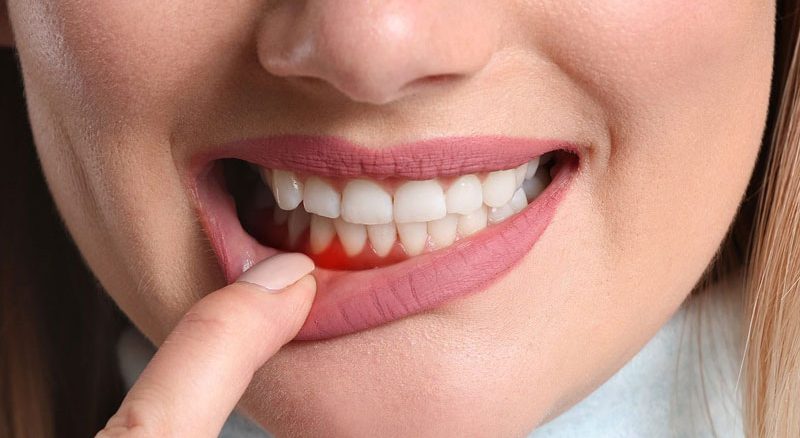
Gum disease begins with gingivitis. Gingivitis is an early-stage inflammation characterized by redness, swelling, and bleeding of the gums. At this stage, no bone or connective tissue damage has yet occurred, and the condition is fully reversible with proper treatment.
If left untreated, gingivitis progresses to periodontitis. In periodontitis, the infection spreads from the gums to deeper tissues, damaging the alveolar bone and periodontal ligaments that support the teeth. This damage is largely irreversible and may lead to tooth mobility and eventual tooth loss.
Causes of Gum Disease
- Poor Oral Hygiene and Plaque Accumulation
The primary cause of gum disease is bacterial plaque accumulating on the teeth. When teeth are not brushed and flossed regularly, plaque hardens into tartar (calculus). Tartar constantly irritates the gums, leading to inflammation and bleeding. Once bacteria reach a certain level, early signs of gingivitis may appear within approximately two weeks.
- Smoking and Tobacco Use
Smoking is a critical risk factor in both the development and progression of gum disease. Chemicals in tobacco constrict blood vessels in the gums, reducing tissue resistance. Smokers may develop periodontitis that progresses much faster than in non-smokers. Smoking can also mask symptoms such as bleeding and redness, delaying diagnosis.
- Genetic Predisposition
Studies show that most individuals with gum disease also have a family history of the condition. People with genetic predisposition may develop gum disease more easily even with good oral hygiene. Regular dental check-ups are recommended for individuals with a family history of periodontitis.
- Stress and the Immune System
Chronic stress weakens the body’s ability to fight infections. In stressed individuals, gum inflammation develops more easily and progresses faster. Stress can also trigger bruxism (teeth grinding and clenching), which causes excessive pressure on teeth and gums, leading to gum recession and tissue damage.
- Poor Nutrition and Vitamin Deficiencies
Insufficient intake of nutrients weakens the immune system and makes gums more vulnerable to infection. Vitamin C deficiency in particular directly causes gum weakness and bleeding. Deficiencies in vitamin K, B12, and folic acid also negatively affect gum health. Excessive sugar and processed food intake increases bacteria levels and accelerates plaque formation.
- Hormonal Changes
During pregnancy, menstruation, and menopause, gum tissues become more sensitive to blood flow changes. Pregnancy gingivitis, especially in the second trimester, causes significant swelling and bleeding of the gums. Regular dental check-ups are crucial during pregnancy.
- Systemic Diseases and Medication Use
Systemic diseases such as diabetes, leukemia, and scurvy increase gum bleeding and susceptibility to infection. Blood thinners, antidepressants, heart medications, and some contraceptives may also negatively affect gum tissue. Patients using regular medication should inform their dentist.
- Improper Dental Restorations and Prosthetics
Poorly fitted crowns, bridges, fillings, or dentures that irritate the gums can lead to inflammation and gum recession over time. Such restorations should be regularly checked and replaced when necessary.
Symptoms of Gum Disease
The earliest and most important sign of gum disease is bleeding. Bleeding during brushing or flossing is a clear indicator of disease onset. Other symptoms include:
- Red, swollen, and sensitive gums
- Pain during chewing or biting
- Receding gums and the appearance of longer teeth
- Loose teeth
- Bad breath (halitosis)
- Deep pockets between teeth and gums
Treatment and Prevention Methods
In the gingivitis stage, professional dental cleaning (scaling) and proper oral hygiene can completely reverse the condition. In advanced periodontitis cases, deep cleaning (curettage), laser therapy, and surgical treatments may be required.
Brushing at least twice daily, using dental floss and interdental brushes, avoiding smoking, and visiting the dentist twice a year are essential for prevention.
Periodontal Treatment at Dental Plus Istanbul
Dental Plus Istanbul, located in Bakırköy, provides comprehensive periodontal treatment at all stages of gum disease with specialist dentists. All procedures—from scaling to laser-assisted gum therapy, deep curettage, and surgical interventions—are performed using modern equipment.
If you notice bleeding, swelling, or sensitivity in your gums, you can contact Dental Plus Istanbul to schedule an examination for early diagnosis.